Indoor Air Quality
Air Duct Cleaning in St. Louis, MO
Air duct cleaning in St. Louis is worth buying only in specific cases, because EPA does not recommend routine duct cleaning. Kenan Corporation inspects first, tells you plainly whether your ducts need it, and quotes the work before any starts.
- 4.6★ on Google29 reviews
- A+ BBB ratingNot BBB accredited
- Founded in 2010Repair-first advice
- Open 24 hoursCall any time
EPA does not recommend routine duct cleaning. Its guidance says ducts should be cleaned as needed, not as yearly maintenance, and that cleaning has never been shown to prevent health problems. That is our starting point too: most St. Louis homes do not need it, and we would rather say so than sell it.
Is air duct cleaning worth it?
For most homes, no. EPA says that when no one in the house has allergies or unexplained symptoms, and there is no visible mold or musty smell, cleaning is probably unnecessary. A film of dust on a return register is not proof of a dirty duct system.
Two further points from EPA matter. Studies have not conclusively shown that cleaning ducts lowers the particles in your air. And an inadequate vacuum system can release more contaminants into the house than it removes. A cleaning done badly can leave you worse off.
When does duct cleaning make sense?
Cleaning is reasonable in three situations, all listed by EPA:
- Substantial visible mold on hard duct surfaces or other cooling and heating components. Wet or moldy insulation inside a duct cannot be cleaned effectively and should be replaced, and the moisture source has to be fixed or the mold returns.
- Vermin in the ducts. Rodents or insects that have nested or left droppings.
- Ducts clogged with dust and debris, or particles blowing out of supply registers. A gut renovation that sent drywall dust through an open system is a common example.
In older St. Louis homes, the third case often traces back to a leak. Return ducts that pull from a dusty basement, crawl space or wall cavity will refill the system after any cleaning. Fix the leak, and the cleaning lasts. See duct repair and replacement.
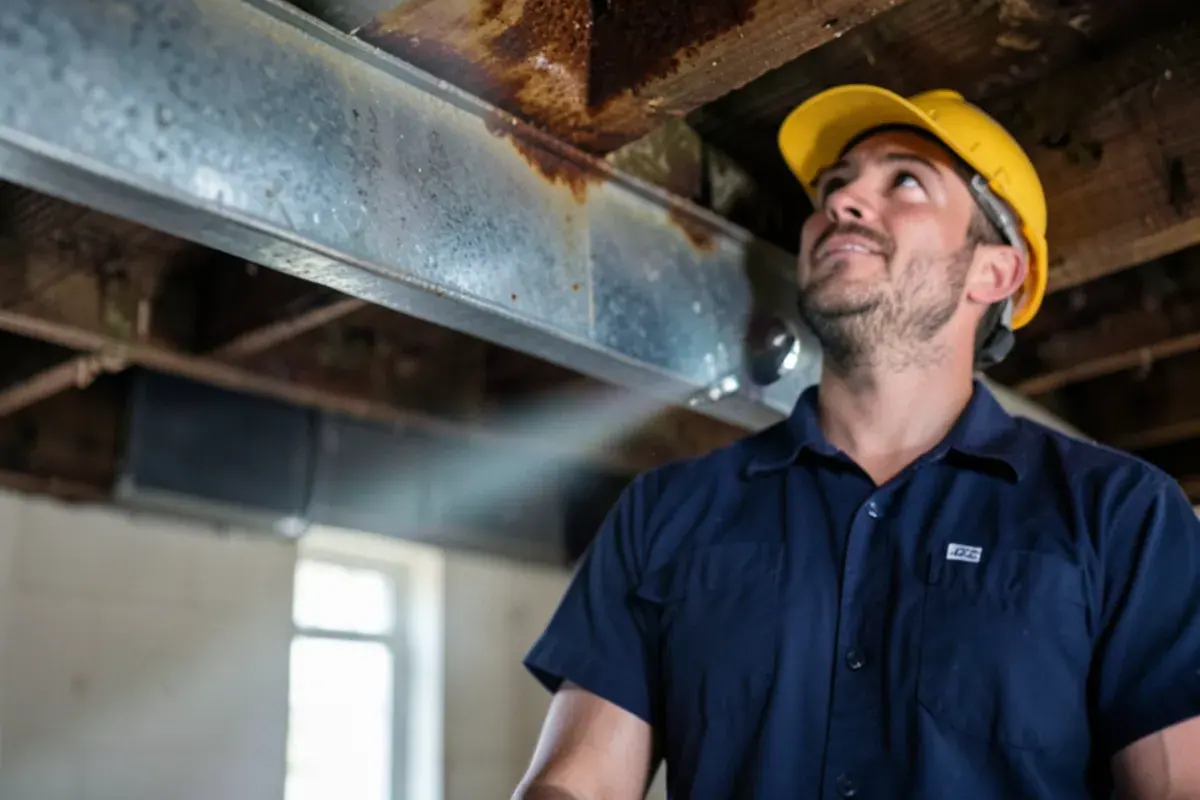
What should a proper duct cleaning include?
A proper job follows a checklist, and EPA publishes the yardstick. Expect these deliverables in the written scope:
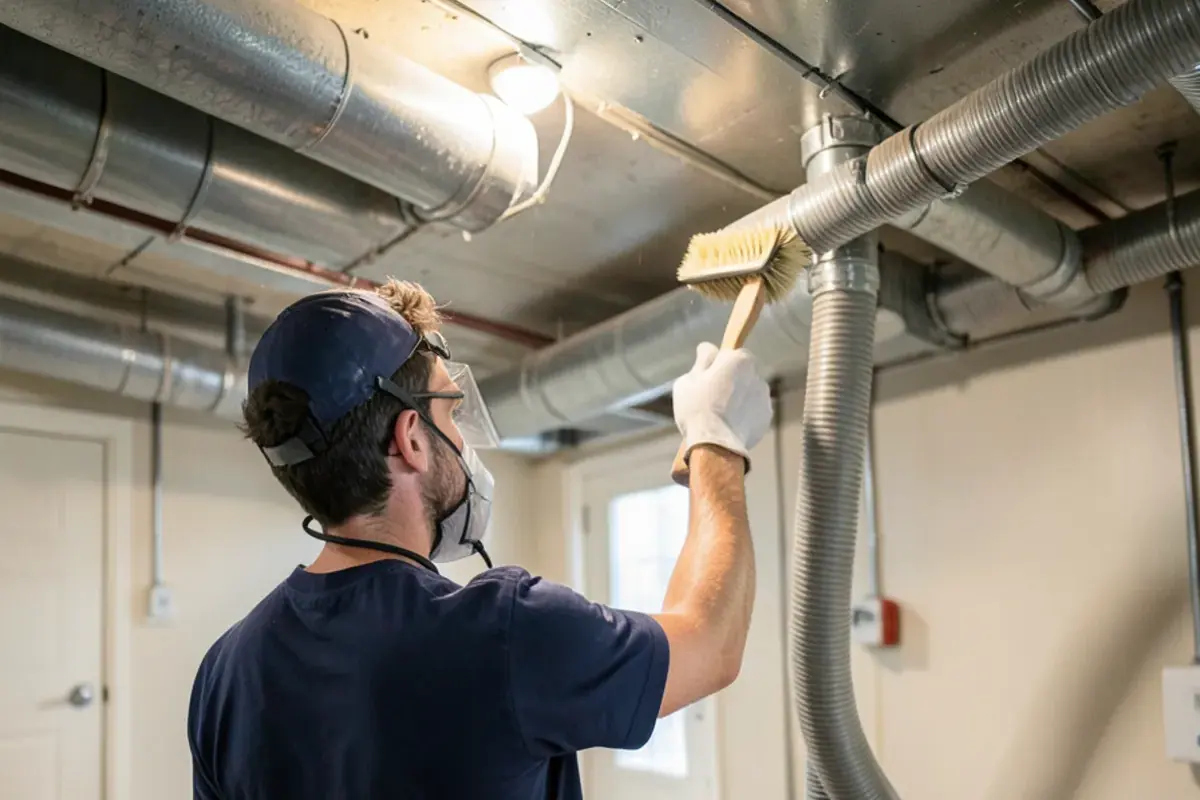
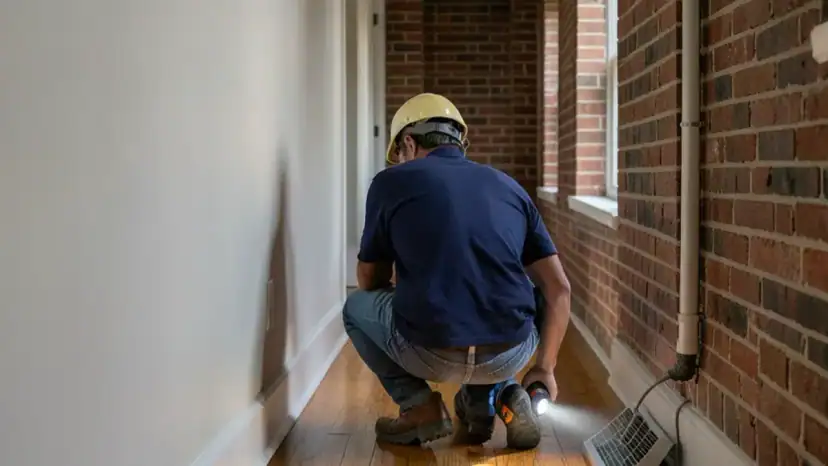
- A visual inspection of ducts, plenums, coil, drain pan and blower before work starts.
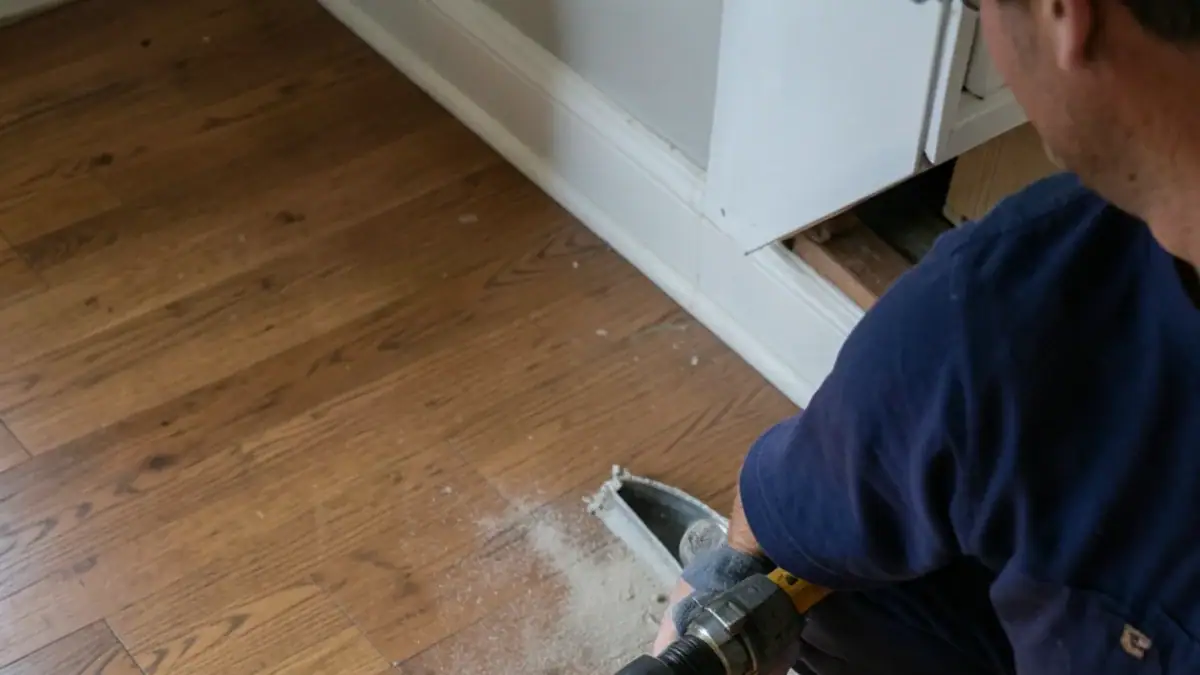
- Access openings cut so the whole system can be reached, including the main trunk.
- A vacuum that exhausts outside the home or is HEPA-filtered.
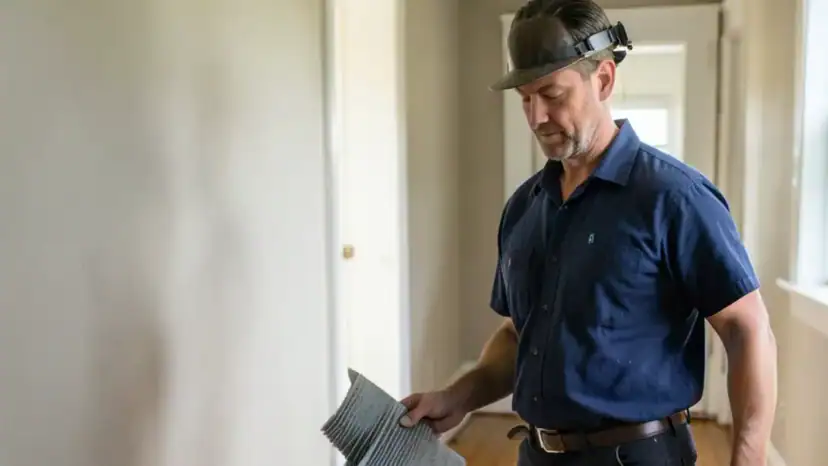
- Contact vacuuming paired with soft-bristled brushing, gentle on fiberglass-lined or flexible duct.
- Cleaning of the coil, drain pan, blower and heat exchanger, not just the ducts.
- Access holes sealed and re-insulated.
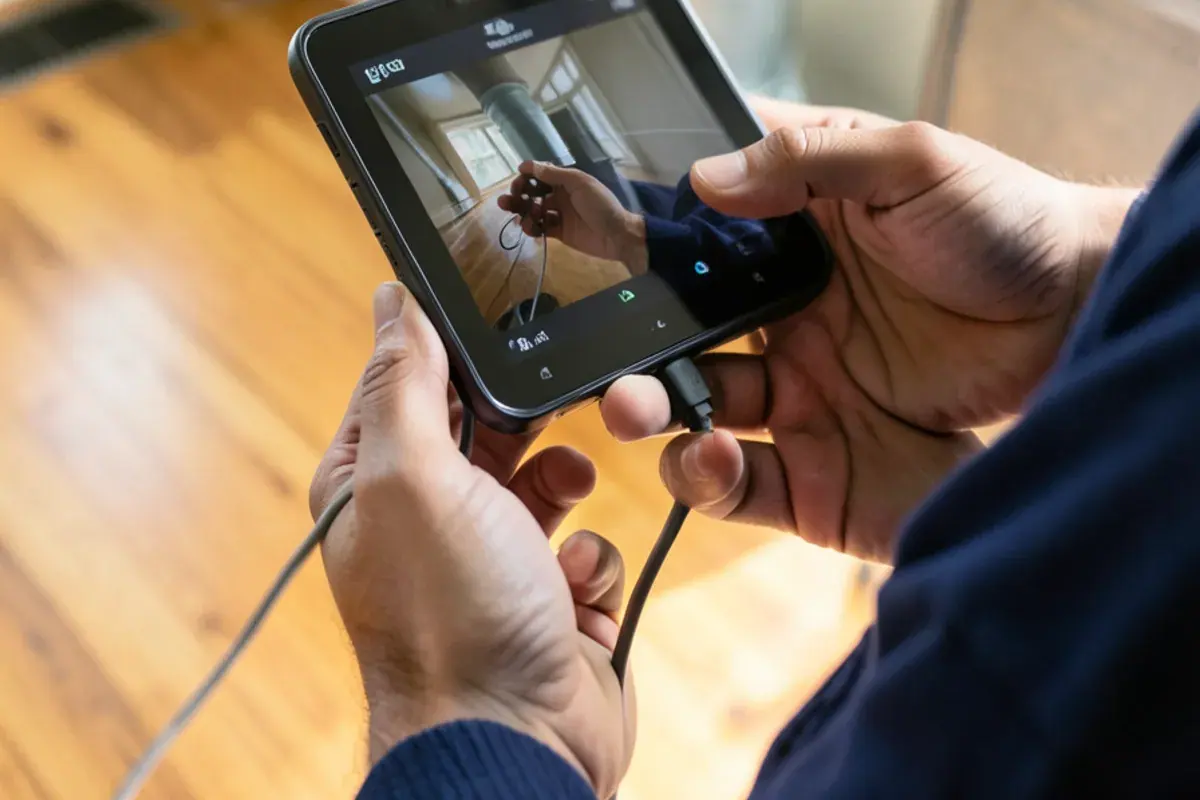
- A post-cleaning inspection, with registers and the system running in heat and cool.
Ask for each in writing. If a provider skips the coil and blower, EPA notes those are where cleaning is more likely to improve efficiency.
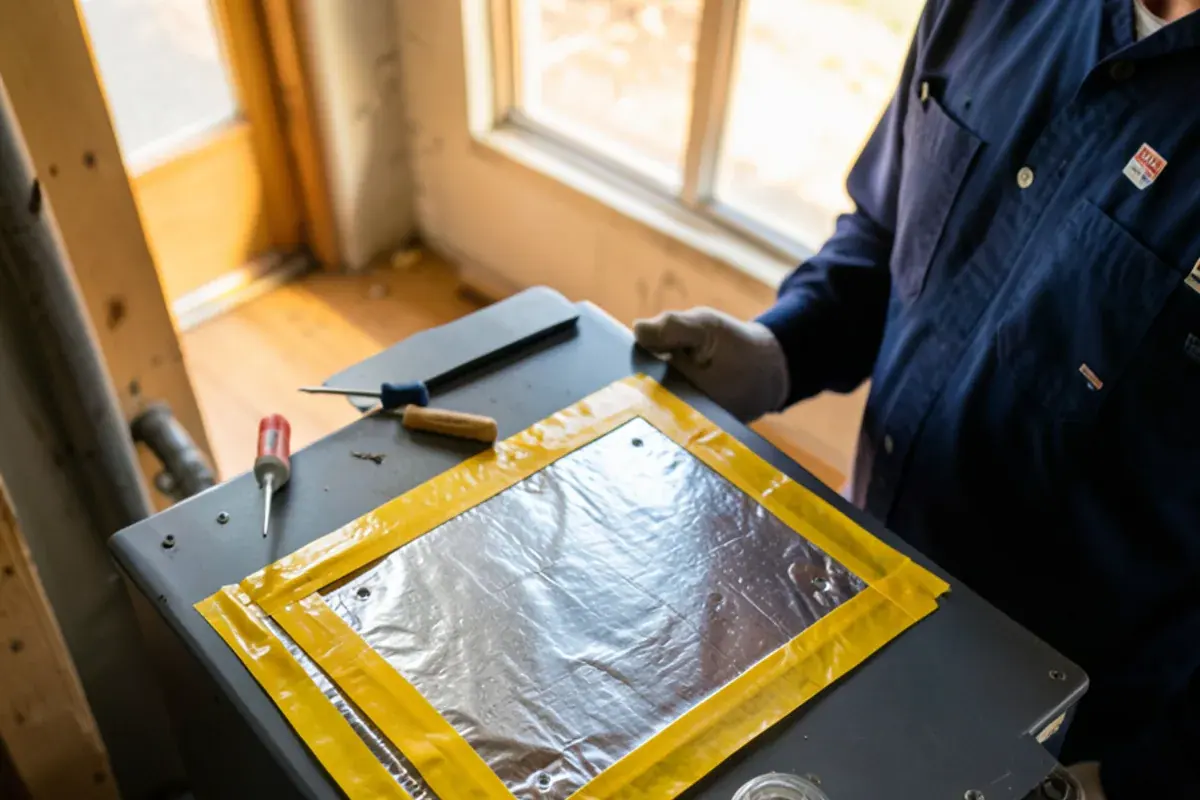
What should you try before paying for duct cleaning?
Start with cheaper fixes that address dust at its source.
- Filter. EPA recommends MERV 13 or the highest rating your system's fan and filter slot can handle, changed about every 60 to 90 days. See air purifiers and filtration.
- Leaks. ENERGY STAR says about 20 to 30 percent of the air moving through ducts is lost to leaks, holes and poor connections, and leaky ducts can draw attic and basement dust into the house.
- Moisture. Fix any water source before a technician touches a duct.
- Coil and blower service. Your yearly furnace maintenance already looks at the blower.
- Dust at home. Vacuum with a HEPA-rated machine, wash bedding, and cover registers during renovations.
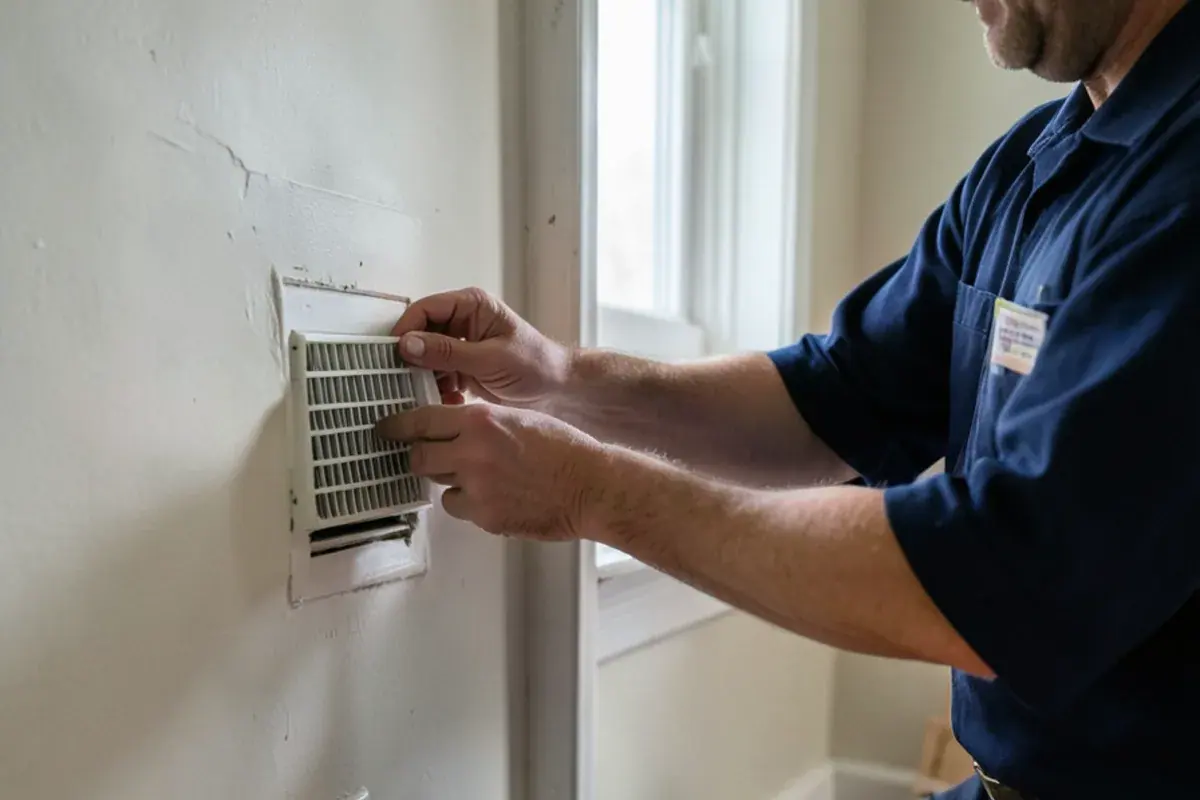
Dryer vent cleaning appears in many duct searches. It is a different exhaust run from your HVAC ducts. Ask whoever you call whether they handle it and whether it is priced separately.
Need help with Air Duct Cleaning?
Call and tell us what the system is doing. You will get a clear, upfront quote before work starts.
- 4.6★ on Google29 reviews
- A+ BBB ratingNot BBB accredited
- Founded in 2010Repair-first advice
- Open 24 hoursCall any time
What does air duct cleaning cost in St. Louis?
EPA's duct cleaning guide lists typical costs of $450 to $1,000 per heating and cooling system. The page is undated, so treat it as a rough floor and get current local quotes. We do not quote a price here, because it depends on the work found.
Price drivers are system size, number of returns and supplies, access, the contamination level, and whether coil and blower cleaning is included. Angi reports St. Louis HVAC labor at $75 to $150 per hour (2026), a market figure. If a company bills hourly, EPA suggests asking for an estimate of hours, and getting scope and total cost in writing before work starts. Walk away from anyone selling a whole-house special without looking inside.
Who regulates duct cleaning in St. Louis County and the City?
Nobody vets a duct cleaner for you. EPA sets no duct-cleaning standards, and licensing in Missouri is local.
St. Louis County's Department of Transportation and Public Works says a mechanical permit is needed to install, alter, repair or replace a duct system. A leak repair or a replaced trunk found mid-cleaning is therefore permit work, and the county's Mechanical Licensing Clerk at (314) 615-7096 can confirm a contractor's county license. Inside the City of St. Louis, the Mechanical Section at 314-622-3313 answers permit questions. We found no source that treats cleaning alone as permit work, so confirm with your local building office, and have any repair quote say who pulls the permit.
Why ask a specialist before you book a cleaning
Kenan Corporation was founded in 2010 by Kenan Bruce Martz, who had 20-plus years at St. Louis area HVAC companies and disliked the hard-sell pitches in the trade.
- We look before we sell. The inspection decides whether cleaning, a leak repair, or nothing is the right call.
- We explain what we see. Candice F. wrote on Google that Kenan is great at explaining things and giving options.
- Wrong diagnoses cost money. Wendy R. said another company pushed a new furnace without checking parts. The cause was a capacitor.
- Open 24 hours, with a 4.6★ rating from 29 Google reviews as of October 2026.
Missouri has no statewide HVAC license. Ask any provider for the license number your city or county requires. EPA says it neither sets duct-cleaning standards nor certifies or endorses cleaning companies. We work from Spanish Lake and reach Hazelwood and Bridgeton in about 25 and 30 minutes in normal traffic.
Where ducts get checked before anyone cleans them
The dust source differs from street to street, so the house comes first.
- Spanish Lake: about 5 minutes away; in mid-century ranches with basement furnaces, we first check whether a return pulls basement air.
- Ferguson: cooling ducts in Old Ferguson West houses went in later through closets, attics and chases, so leaks there come before cleaning.
- Florissant: 1960s tract houses often have undersized returns, so airflow and filter checks come first.
- Hazelwood: about four in ten households rent, and an owner weighing a cleaning should apply EPA's three tests.
- Bridgeton: low ground near the Missouri River means damp basements, so insulation and moisture get checked first.
- Jennings: one central return can serve a small 1950s house, and a dirty filter starves it long before the ducts do.
- University City: radiator homes in the older south end have few ducts to clean, while the postwar north has basement runs.
- Maplewood: ducts share chases with plumbing in 1900s houses, so ask how a provider will reach the trunk.
- Kirkwood: finished plaster makes access openings the real question, so settle in writing where holes are cut and sealed.
Air Duct Cleaning: common questions
Is air duct cleaning worth it for a typical house?
Usually not. EPA does not recommend routine duct cleaning and says it is probably unnecessary if no one has allergies or unexplained symptoms and there is no visible mold or musty odor. Dusty return registers alone do not show heavy duct contamination. Spend on filters and leak repair first.
Will duct cleaning fix a dusty house?
Not by itself. EPA says studies have not shown that dirty ducts raise household particle levels or that cleaning lowers them. Cooking, outdoor air, pets and open windows contribute more. Leaky returns that pull attic or crawl space dust into the system are a better thing to check.
When should I have my ducts cleaned?
Consider it when you can see substantial mold on hard duct surfaces, when rodents or insects have infested the ducts, or when ducts are clogged with excessive dust and debris or release particles from supply registers. These are EPA's three conditions. A recent renovation that coated the system in drywall dust fits the third.
What should I ask a duct cleaner before hiring?
Get written estimates from several providers and ask how they contain dust, whether the vacuum exhausts outdoors or is HEPA-filtered, and what they clean beyond the ducts. EPA warns against sweeping health claims and routine-cleaning pitches. Ask for the license number your city or county issues, plus a written scope.
Is dryer vent cleaning part of duct cleaning?
No. A dryer vent is a separate exhaust run, not part of your heating and cooling ducts. Ask whoever you call whether they also handle dryer vents and whether it is priced separately, so you are comparing the same jobs.
Do duct cleaning products like sealants or sanitizers help?
EPA says research has not shown biocides or ozone to be effective inside ducts and that sealants have unclear effectiveness. Biocides are for visible microbial growth that cleaning cannot remove, applied by label. Decline sprays that are sold as a standard add-on.
Talk to an air quality specialist
Tell us what your system is doing and where you are. Open 24 hours.
Kenan Corporation, 927 Broadhead Lane, St. Louis, MO 63138. Open 24 hours.
- 4.6★ on Google29 reviews
- A+ BBB ratingNot BBB accredited
- Founded in 2010Repair-first advice
- Open 24 hoursCall any time
What customers say on Google
4.6★ from 29 Google reviews, checked October 2026.
Kenan is very professional, I respect his integrity. He did an awesome job. I trusted him around my mom so that says a lot about his character.
Bruce did a wonderful job! He’s a nice guy and very professional. 10/10!
Related services
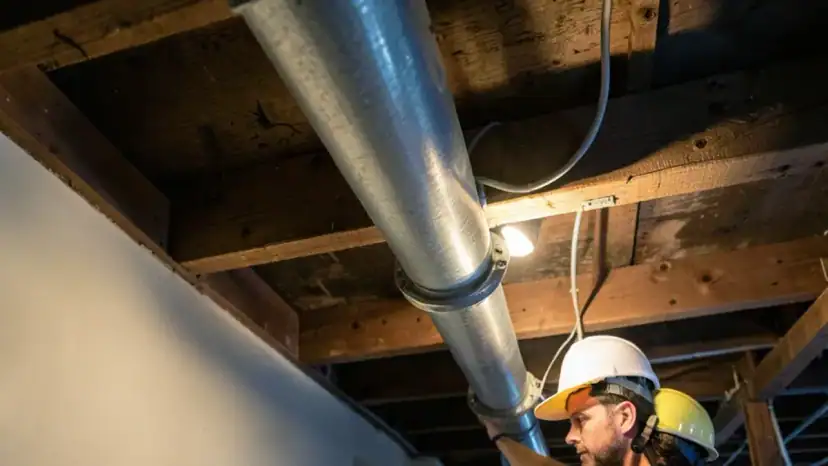
Duct Repair and Replacement
Seal leaks and rebuild bad runs so every room gets even airflow.
Learn more →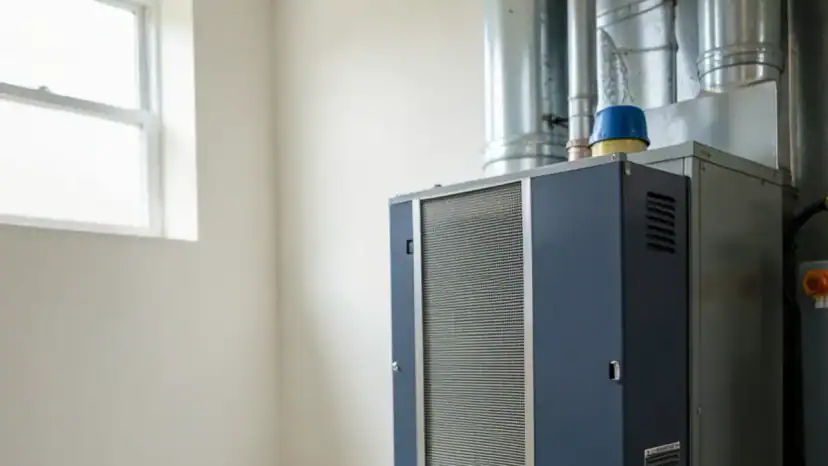
Air Purifiers and Filtration
Filter upgrades and whole-home options matched to your fan and ducts.
Learn more →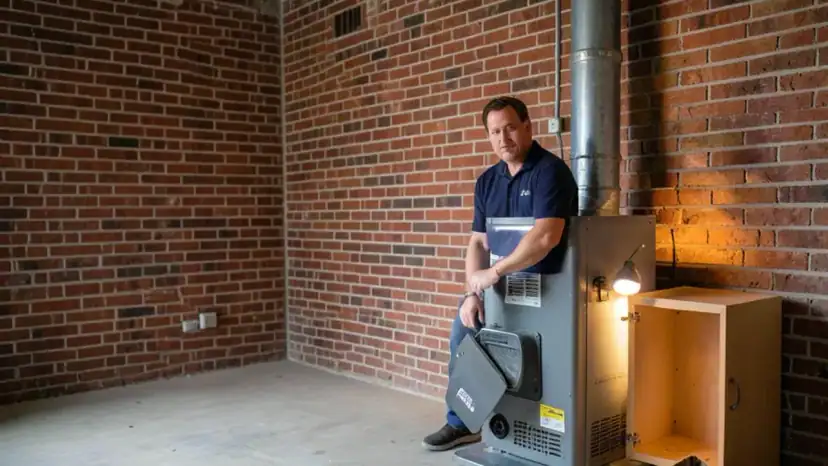
Furnace Maintenance
A fall safety check and cleaning that finds small faults early.
Learn more →