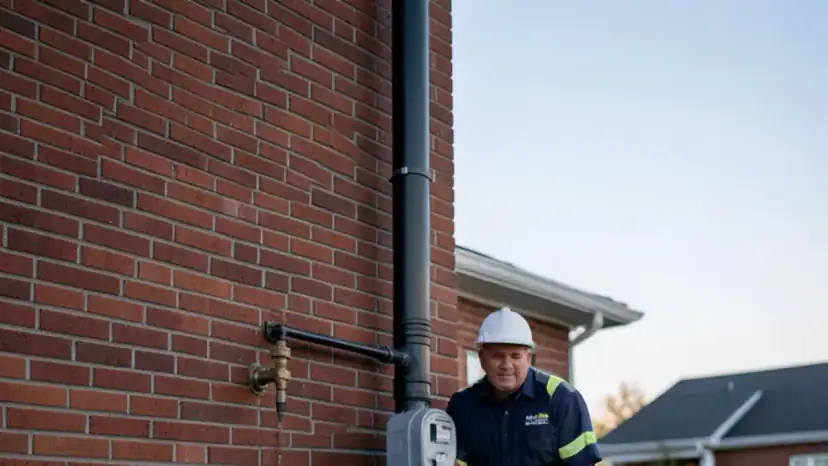
Heating
Furnace Repair in St. Louis, MO
Furnace repair in St. Louis starts with safety, then a diagnosis that names the failed part before anyone mentions a new furnace. Kenan Corporation tests ignition, airflow and controls, explains what failed, and gives a clear, upfront quote before work starts.
- 4.6★ on Google29 reviews
- A+ BBB ratingNot BBB accredited
- Founded in 2010Repair-first advice
- Open 24 hoursCall any time
If you smell gas, leave the house before you do anything else, then call 911 or Spire at 800-887-4173 from outside. For every other furnace problem, furnace repair in St. Louis begins with proving which part failed. Wendy R., a Google reviewer, was told by another company to buy a new furnace. Kenan Corporation found a bad capacitor and fixed it.
What can you check safely before calling for furnace repair?
Three checks are safe, and they fix more calls than you might expect.
- Set the thermostat to heat and a few degrees above room temperature, and confirm the fan switch is on auto.
- Pull the filter. A clogged one overheats the furnace and trips the limit switch.
- Confirm the furnace switch, which looks like a light switch near the unit, and the breaker are on.
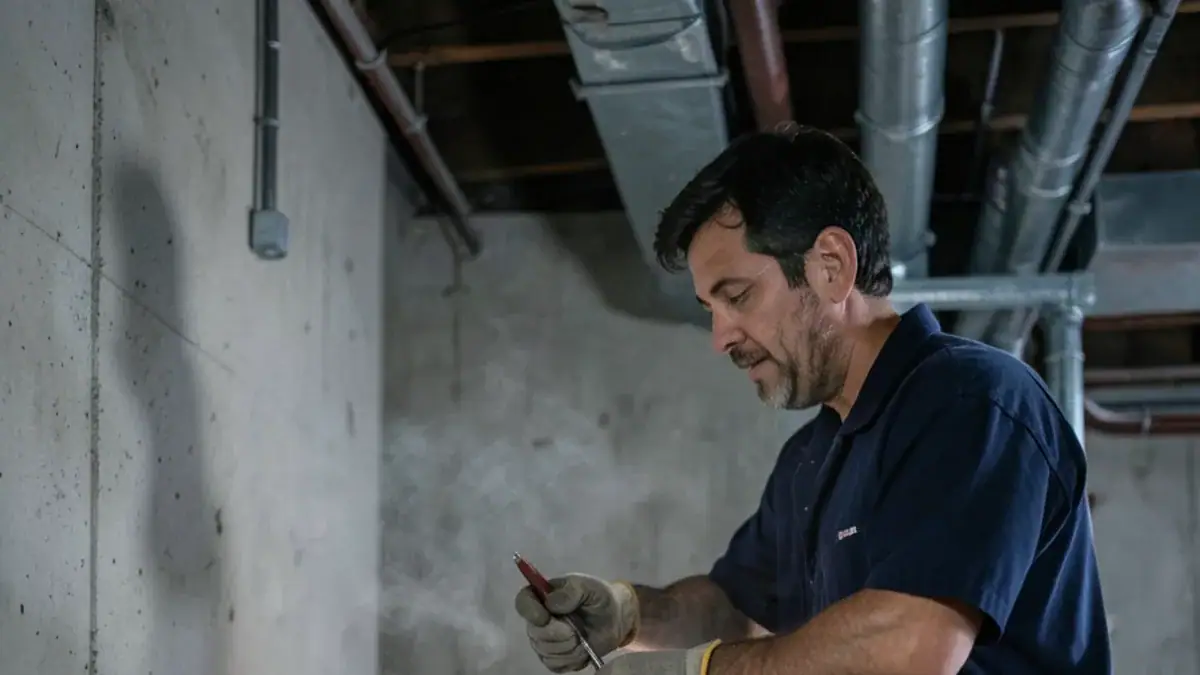
Do not open gas valves, bypass safety switches or relight burners that keep dropping out. Gas smell, a rotten-egg odor or a CO alarm means leave the building and call 911.
Which furnace faults cause no heat, cold air or short cycling?
Most calls trace to a short list of parts, and the symptom narrows it down.
| Symptom | Likely cause | Why it happens |
|---|---|---|
| Clicks, no flame | Hot surface igniter | Cracks with age and heat cycles |
| Lights, then shuts off | Flame sensor | Carbon coating blocks the signal |
| Inducer runs, no ignition | Pressure switch or blocked vent | Safety circuit refuses to proceed |
| Heat but weak airflow | Blower motor or capacitor | Motor loses start torque |
| Blows cold between cycles | Thermostat fan on, or limit switch | Overheating from a clogged filter |
| Nothing at all | Control board, fuse or transformer | Power or control failure |
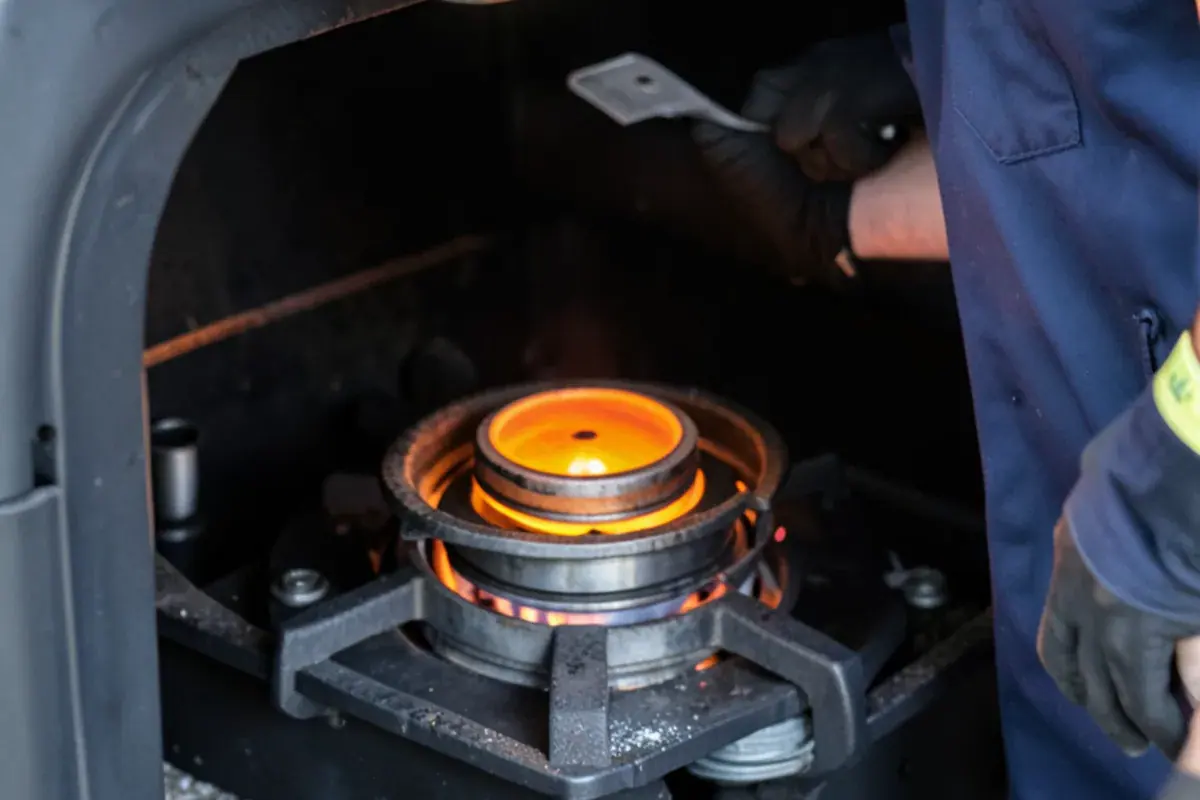
How do we diagnose a furnace that will not heat?
We diagnose before replacing parts, working through the system in the order the furnace itself does.
- Confirm the call for heat at the thermostat and the power at the unit.
- Watch the start-up sequence: inducer, pressure switch, igniter, gas valve, flame.
- Read the control board's fault codes and check the filter and airflow.
- Test the capacitor, blower motor and limit switches with a meter.
- Inspect the flame sensor, burners and vent for soot, rust or blockage.
- Check the heat exchanger for cracks when the symptoms or age call for it.
Then we explain what we found in plain language and show you the part.
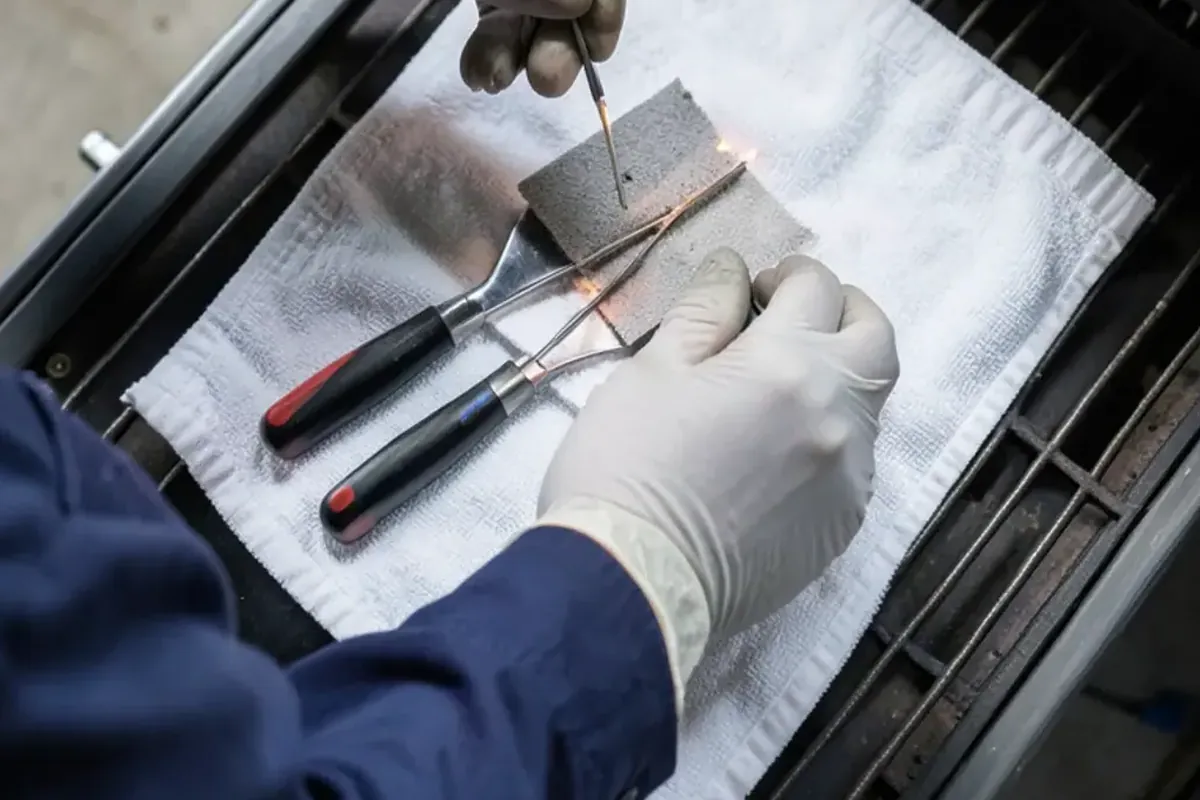
What are your repair options, and what are the trade-offs?
Some faults are cheap and permanent; others are signals. The decision depends on which group your furnace fell into.
- Cleaning or adjusting. A flame sensor polish or a drain-line clear is the lowest-cost fix, though a dirty sensor may return if combustion is poor.
- Replacing a small part. Igniters, capacitors and pressure switches are good value on a furnace with years left.
- Replacing a major part. A control board or blower motor makes sense on a sound furnace and less on a 20-year-old unit.
- Replacing the furnace. A cracked heat exchanger or a repeat failure on an aging unit points here. See furnace replacement for how we compare the numbers.
Need help with Furnace Repair?
Call and tell us what the system is doing. You will get a clear, upfront quote before work starts.
- 4.6★ on Google29 reviews
- A+ BBB ratingNot BBB accredited
- Founded in 2010Repair-first advice
- Open 24 hoursCall any time
What happens during the visit, and what comes after?
The visit follows a set order. We confirm the symptom, run the diagnosis, and give you a clear, upfront quote before any work begins. Once you approve, we make the repair, run a full heating cycle and check what else is working.
Parts decide the timeline. Mary E., a Google reviewer, called at 5 pm when the furnace quit, and the technician arrived at 7 the next morning and fixed it quickly. A part that has to be ordered takes longer, and we tell you that up front. Afterward, you should know what failed and what to watch for.
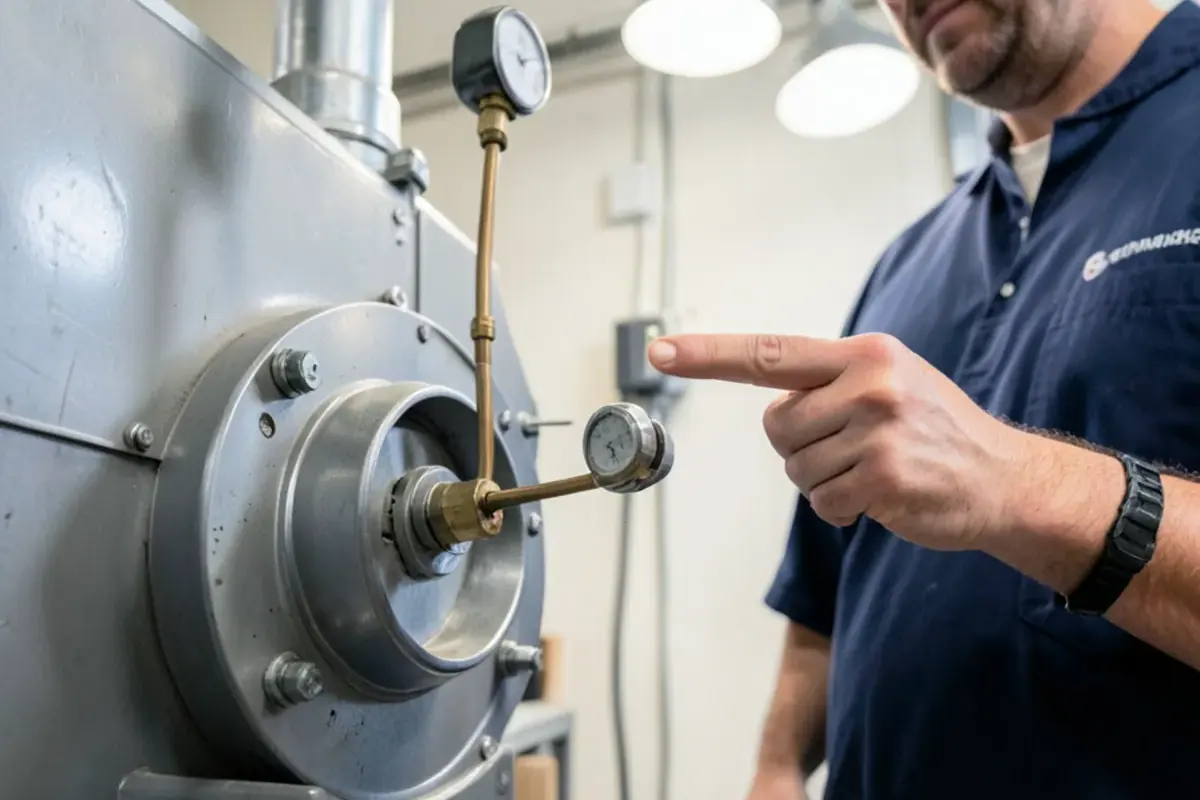
What does a furnace repair visit include?
The technician checks the venting and the visible gas connections first, because a furnace that runs is not automatically a furnace that is safe. The diagnosis then names the failed part and you are shown it. If a cracked exchanger or a repeat failure on an aging unit changes the math, we say so, and you can set a replacement quote beside the repair price. The visit includes:
- A look at the vent, flue and visible gas connections
- A diagnosis of the start-up sequence, with the failed part named and shown
- A plain-language explanation of the cause and your options
- The repair itself, after you approve the quote
- A full heating cycle, plus a check of what else on the system is working
Do furnace repairs need a permit or a license in St. Louis?
Missouri has no statewide HVAC license, so the rules come from your city or county. St. Louis County requires a mechanical permit to install, alter, repair or replace heating systems, and says filter changes and refrigerant recharges are not permit work. Its Mechanical Licensing Clerk answers licensing questions at (314) 615-7096. In the City of St. Louis, Ordinance 70800 requires replacement heating units to go in through a contractor licensed in the City, with a $25 permit application fee. Smaller cities set their own rules: Ferguson routes mechanical work through Code Compliance at (314) 521-7721, and Jennings has its own Building Department. Ask whether your repair needs a permit and who applies for it, and get the answer in the written quote.
What drives furnace repair cost?
Cost follows the part, the labor and the access. Angi reports St. Louis HVAC labor at $75 to $150 per hour in 2026, which is a market figure and not our quote. Four things move the price:
- The part, from a flame sensor to a control board
- Time spent diagnosing an intermittent fault
- Whether the furnace is a standard or high-efficiency model with a condensate line
- Basement, attic or closet access
Ask for a quote that separates the part, the labor and any diagnosis time. For scale, Angi puts a full HVAC replacement in St. Louis at $4,755 to $11,888, with labor making up $1,500 to $5,000 of it (2026). Those are market figures, not our prices. On a furnace near the end of its 15 to 20 year range, a repair that eats a large share of that deserves a replacement quote beside it.
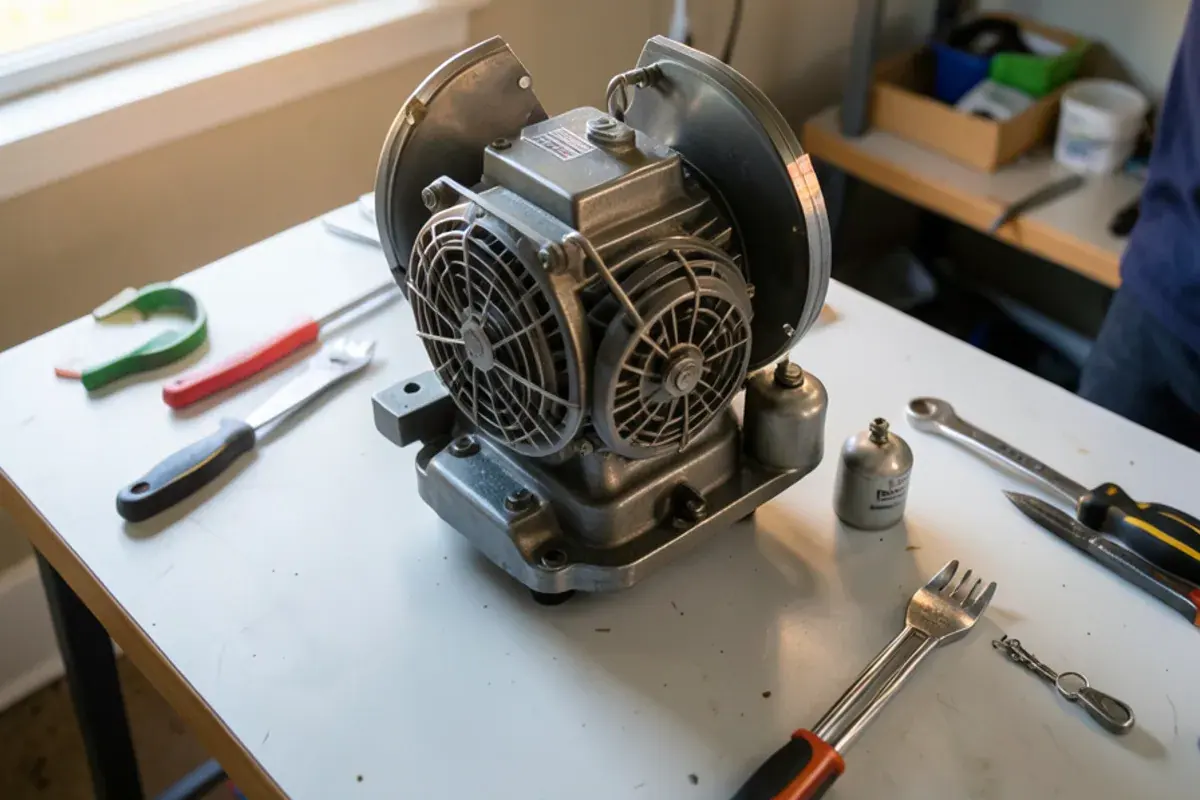
How do you keep a furnace from failing in a cold snap?
Prevention is airflow, cleanliness and a yearly look. 2025 brought 4,100 heating degree days to St. Louis against a normal of 4,433, so the system still logs a lot of hours. Change the filter on schedule, keep return grilles clear, and book furnace maintenance in fall. CPSC recommends a yearly professional inspection of furnaces and a carbon monoxide detector meeting UL 2034.
Why Kenan Corporation for a furnace that quit
Reviewers describe the same pattern across heating calls, and the profile shows 4.6★ from 29 Google reviews as of October 2026.
- Parts proven, not guessed. Wendy R. was told another company recommended a new furnace; the real fault was a capacitor.
- Gas work done carefully. Frederick E., a reviewer, said gas leaks were found and fixed after a gas inspection, pressure-tested, and passed Spire's reinspection.
- Available around the clock. Kenan Corporation is open 24 hours, which matters when the furnace quits on a January night.
Missouri has no statewide HVAC license, so ask any contractor, including us, for the license number your city or county requires. In St. Louis County that is a mechanical license through the Department of Transportation and Public Works.
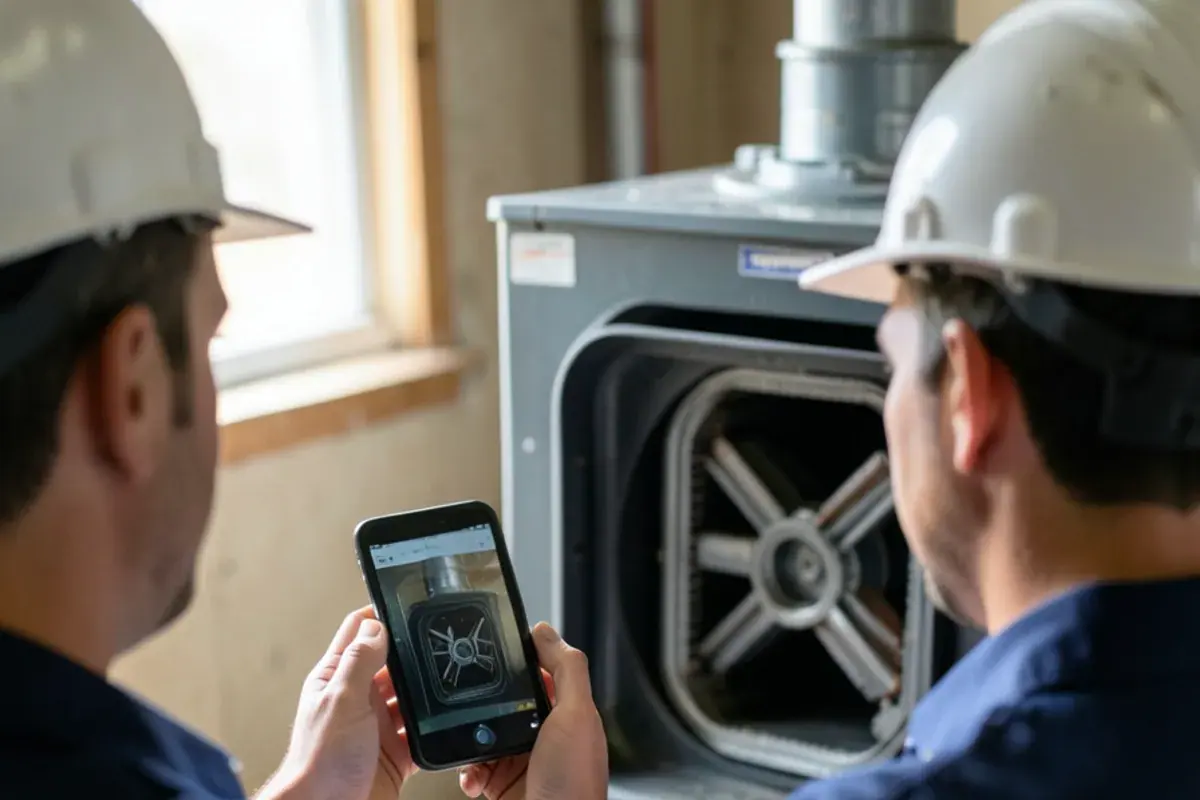
Where do we repair furnaces?
Minutes below are measured from our base near Spanish Lake in normal traffic, and none of them is a promised arrival time.
- Spanish Lake, about 5 minutes: ranch homes with basement gas furnaces stand beside apartment blocks that heat electrically.
- Ferguson, about 20 minutes: the median home dates to 1957, so a ranch is often on its second or third furnace.
- Florissant, about 20 minutes: roughly 18,000 houses went up between 1947 and 1980, and their furnaces are aging together.
- Jennings, about 20 minutes: 75 percent of occupied homes heat with gas and 55 percent are rented, so give the landlord's name when you call.
- Hazelwood, about 25 minutes: ZIP 63042 peaked in the 1960s, and closet furnaces there often need only an igniter or flame sensor.
- Bridgeton, about 30 minutes: nearly 8,000 single-family homes date to the 1960s peak, and damp ground near the river levee makes combustion air worth checking.
- University City, about 30 minutes: 78 percent of occupied homes burn utility gas, and a median build year of 1949 means ductwork added long after the house.
- Lemay, about 45 minutes: 83 percent of housing predates 1970 and 79 percent of occupied homes heat with gas.
- Affton, about 50 minutes: 31 percent of homes are from the 1950s and 81 percent heat with gas.
Furnace Repair: common questions
Why is my furnace running but blowing cold air?
The common causes are a thermostat fan set to on, a dirty filter that tripped the limit switch, a dirty flame sensor, or a failed igniter. Check that the thermostat fan is on auto and swap a clogged filter. If the burners will not stay lit, shut the furnace off and call; repeated restarts can pile up faults.
What do I do first if there is a gas odor in the furnace room?
Leave the house first. Do not touch switches or light flames, then call 911 or Spire's St. Louis emergency line at 800-887-4173 from outside. Spire says it does not charge to investigate a gas smell. Do not return until the utility or fire department clears the home.
Is a cracked heat exchanger always a reason to replace the furnace?
Usually yes. A cracked exchanger can leak carbon monoxide into the airflow, and repair is rarely practical. CPSC recommends a yearly professional inspection of furnaces and a CO detector meeting UL 2034. If a technician reports a crack, ask to see it on camera and compare the replacement quote.
Can you come the same day for furnace repair?
We offer same-day service when the schedule allows, and the line is open 24 hours. One Google reviewer called around 5 pm when the furnace quit, and the technician was on site at 7 the next morning. Gaquan C. wrote about a visit in 10-degree weather. A part that must be ordered can stretch the repair.
How do I know if my furnace is worth repairing?
Look at the failed part, the age and the repair history. An igniter, flame sensor or capacitor repair on a furnace under 15 years old is usually sensible. Contractor sources put furnace life at 15 to 20 years with maintenance. A cracked exchanger or a repeat failure on an aging unit changes the math.
Does a furnace repair need a permit in St. Louis County?
Sometimes. St. Louis County requires a mechanical permit to install, alter, repair or replace heating systems, though minor part swaps are handled differently by different offices. Ask the contractor whether your repair falls under it, and get the answer in the written quote.
Talk to a heating specialist
Tell us what your system is doing and where you are. Open 24 hours.
Kenan Corporation, 927 Broadhead Lane, St. Louis, MO 63138. Open 24 hours.
- 4.6★ on Google29 reviews
- A+ BBB ratingNot BBB accredited
- Founded in 2010Repair-first advice
- Open 24 hoursCall any time
What customers say on Google
4.6★ from 29 Google reviews, checked October 2026.
Kenna did an amazing job! I had another company come out and told me I needed a new furnace because my heat was not coming on. Previous company said could be the motor/fan and that would cost $650, which I was ok with. They didn’t check any parts, but was ready to say I should just get a new heating and cooling unit. I knew my neighbor had service done by Kenyan and said he did a great job. He came out and found it was a capacitor that was causing the issue and fixed it. He is awesome and definitely if I need help again, he will be called and I will use his services!
We placed an emergency call to Kenan and within 12 hrs he arrived, prepared and ready to go. Extremely courteous and pleasant. Knew exactly what the issue was, replaced the item and checked to see if everything else was working properly. Great job, very competitive pricing and best of all great communicator before, during and after the job. Well done sir! We’ll definitely be call you in the future.
My A/C had been out for a while and I woke up at 1am to a 90degree house. Kenan Corporation was at my house within 12 hours and my house is back to a comfortable temperature. He was so kind even with my curious dog with a big bark. Would definitely recommend.